Artificial intelligence no longer lives in dusty research papers; it reads your emails, suggests calendar slots, and anticipates grocery lists. Yet because the transformation is incremental—a suggestion here, an auto‑reply there—many users don’t recognize how deeply AI has rewired daily life.
The modern AI assistant is a stack of narrow intelligences. One model parses language, another classifies images, a third predicts scheduling patterns. Each module is unremarkable alone, but in concert they sculpt behaviors. For instance, Gmail’s Smart Reply has reduced average response length by thirty percent, subtly nudging corporate communication toward brevity. Over a year, that compression slashes employee email time by the equivalent of four workdays.
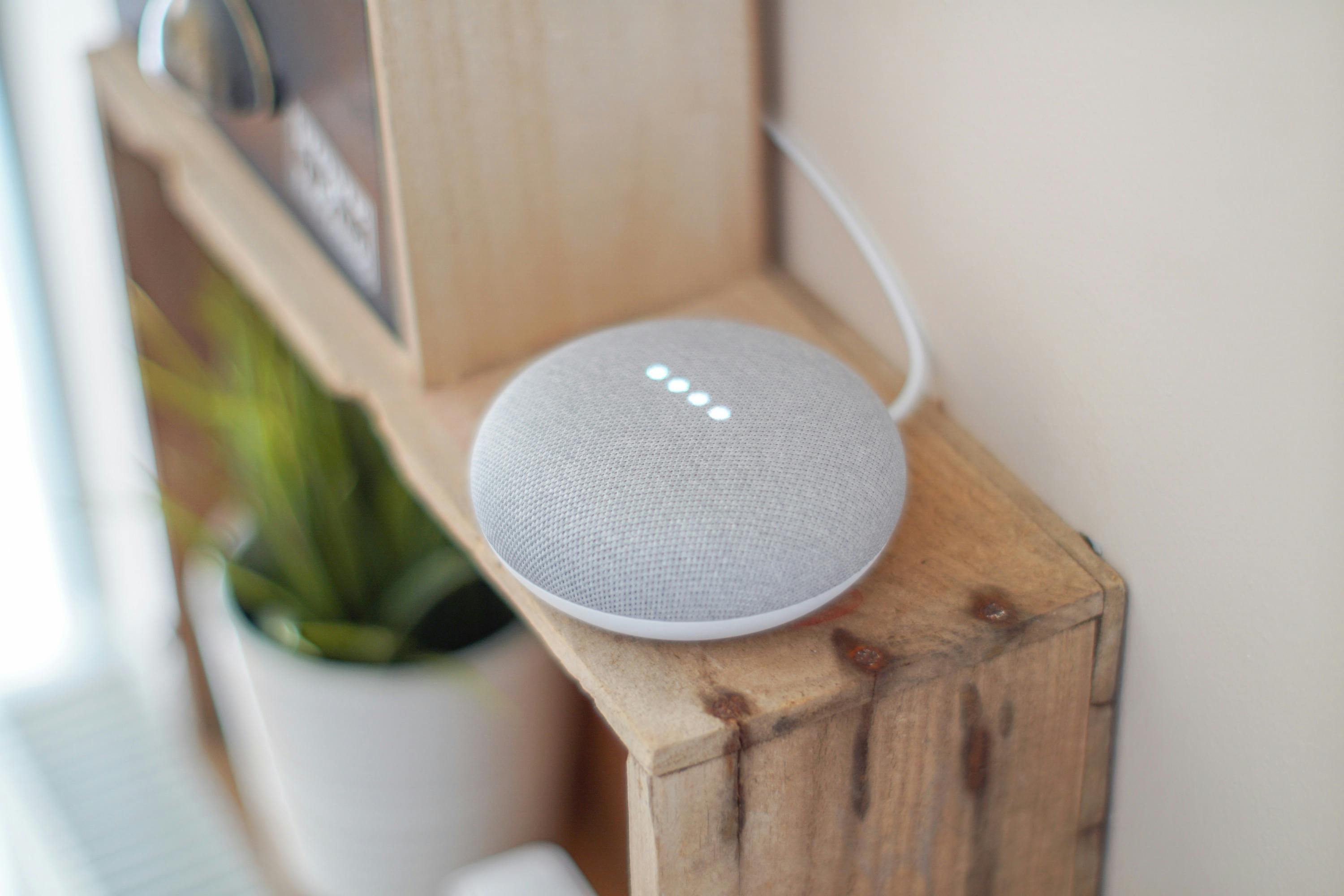
Voice assistants like Alexa and Siri, once novelty speakers, now handle three billion home commands monthly. More than half involve routines—“good night” triggers dimmed lights, thermostat drops, and door locks. By automating low‑stakes tasks, AI frees cognitive bandwidth for creative ones, though skeptics worry about atrophy of basic skills. When a generation forgets how to set a timer manually, does it matter? History suggests yes: reliance on GPS has measurably dulled spatial memory in frequent users.
Privacy remains the shadow that follows convenience. The most valuable datasets are contextual—knowing not just what you said but where, when, and to whom. Federated learning and on‑device inference mitigate risks by keeping raw data local, yet telemetry often slips through in anonymized aggregates. Real vigilance begins with transparency dashboards: Apple’s Privacy Report or Google’s My Activity show exactly what data flows out. Scrub or disable items you wouldn’t share with a stranger at a coffee shop.
Looking ahead, generative models will migrate from cloud to edge. Qualcomm’s latest mobile chipset runs a seven‑billion‑parameter language model offline, enabling instant summarization and translation without an internet pipe. That shift re‑separates capability from connectivity, turning AI into something more like electricity: an ambient resource available whenever needed, not a service borrowed through a distant server farm.
To thrive in this new landscape, cultivate what futurist Amy Webb calls “synthetic judgment.” Treat AI outputs the way you treat second opinions—useful but incomplete without human context. When the assistant suggests a meeting slot, cross‑check the unspoken realities: your child’s soccer game, the commute overlay, the personal energy patterns that no algorithm yet captures.


%20(1)%20(1).jpg)