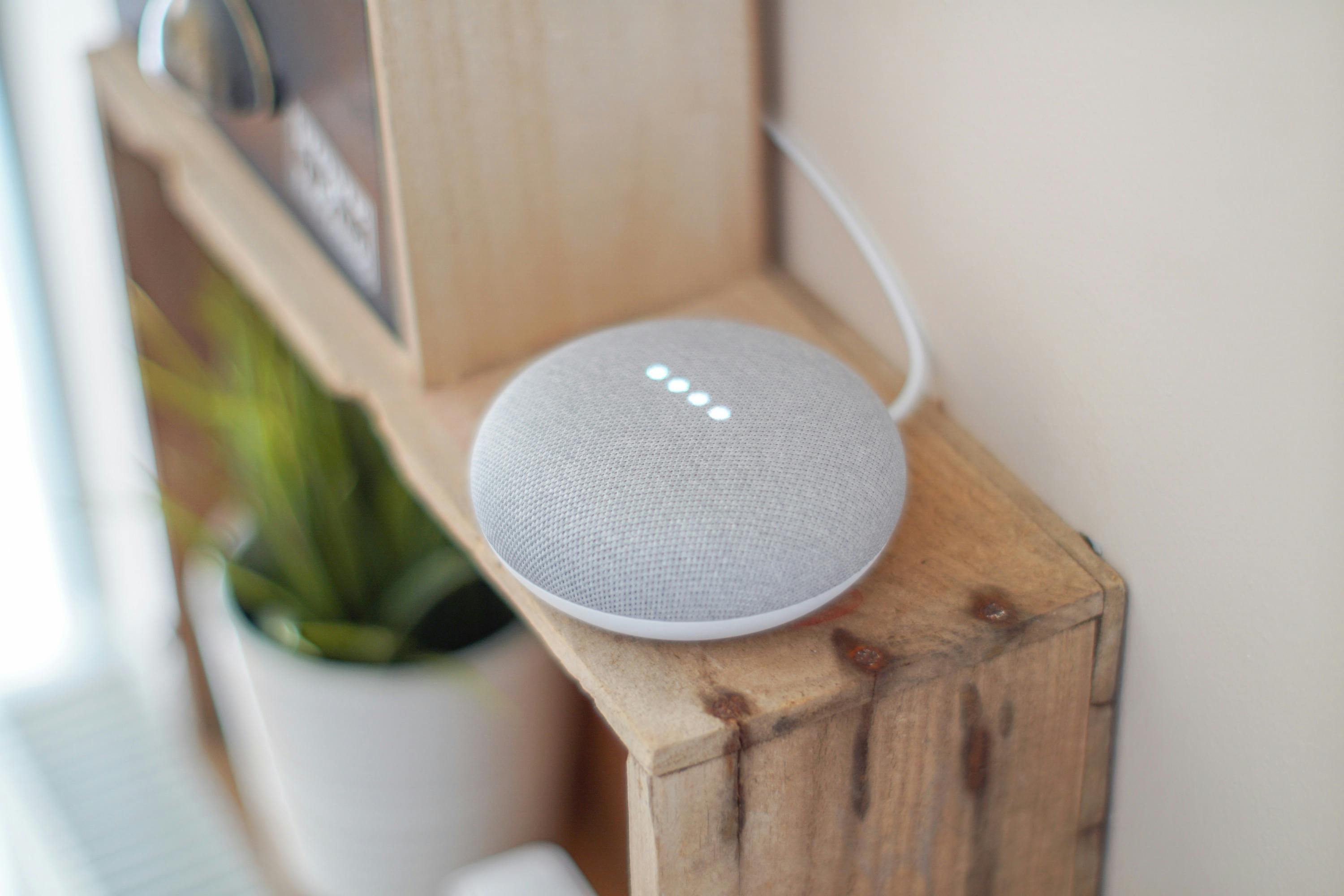
Step into a modern big‑box store and you’ll find a jungle of smart plugs, Wi‑Fi bulbs, and voice assistants chirping from every aisle. The promise is seductive: automatic shades that rise with dawn, thermostats that learn your rhythms, and doorbells that spot porch pirates before they strike. Yet many early adopters wind up with a Frankenstein of apps, each speaking its own dialect, turning the simple act of dimming lights into a scavenger hunt across phone folders.
Harmony begins with a communication standard, and in 2025 that standard is Matter. After years of turf wars, Apple, Google, Amazon, and Samsung finally agreed on a protocol that lets devices pair locally without funneling every command through a remote server. Choosing Matter‑certified bulbs, locks, and sensors is therefore your first and arguably only non‑negotiable rule. It future‑proofs your setup and frees you to swap ecosystems later without rebuying hardware.
Start modestly: a single smart plug controlling a lamp in your living room. Observe how smoothly automations run over a week. If the family still reaches for the manual switch out of habit, that’s a clue about placement or interface. Next, layer a smart thermostat, which typically shaves ten to fifteen percent off heating and cooling costs after a year of adaptive scheduling. Those savings fund your subsequent purchases, creating a virtuous cycle rather than a gadget binge.
Voice control remains the gateway drug, but privacy concerns linger. Opt for assistants capable of on‑device processing—Apple’s HomePod mini and Google’s Nest Hub 3 both keep short commands local. For cameras, demand local storage or end‑to‑end encryption. A cheap cloud plan is convenient until a breach leaks footage of your foyer to the internet.
Interoperability extends to aesthetics. Mixing industrial‑black hubs with Scandinavian‑white sensors can turn a living room into a showroom gone wrong. Many manufacturers now offer swappable faceplates or neutral earth tones; choose a palette and stick with it. Cohesion reduces visual clutter and lets the technology fade into the background, which is precisely where it belongs.
Remember that a smart home should solve real problems, not invent new ones. If you’re routinely forgetting to lock the back door, a smart deadbolt is a blessing. If you’re installing motorized blinds mainly to wow dinner guests, pause—maybe what you crave is more natural light, best achieved by trimming the hedge outside.


%20(1)%20(1).jpg)