Flooring anchors the visual weight of a room. While hardwood reigns, luxury vinyl plank (LVP) has surged thanks to realistic textures, water resistance, and DIY‑friendly click‑lock systems. Installing it solo saves labor fees that often equal material cost.
Acclimate planks in the install room for 48 hours to avoid post‑installation gaps. Remove baseboards carefully for reuse; label segments so miters align when reattached. Ensure subfloors are level within 3/16‑inch over ten feet; self‑leveling compound fixes minor dips.
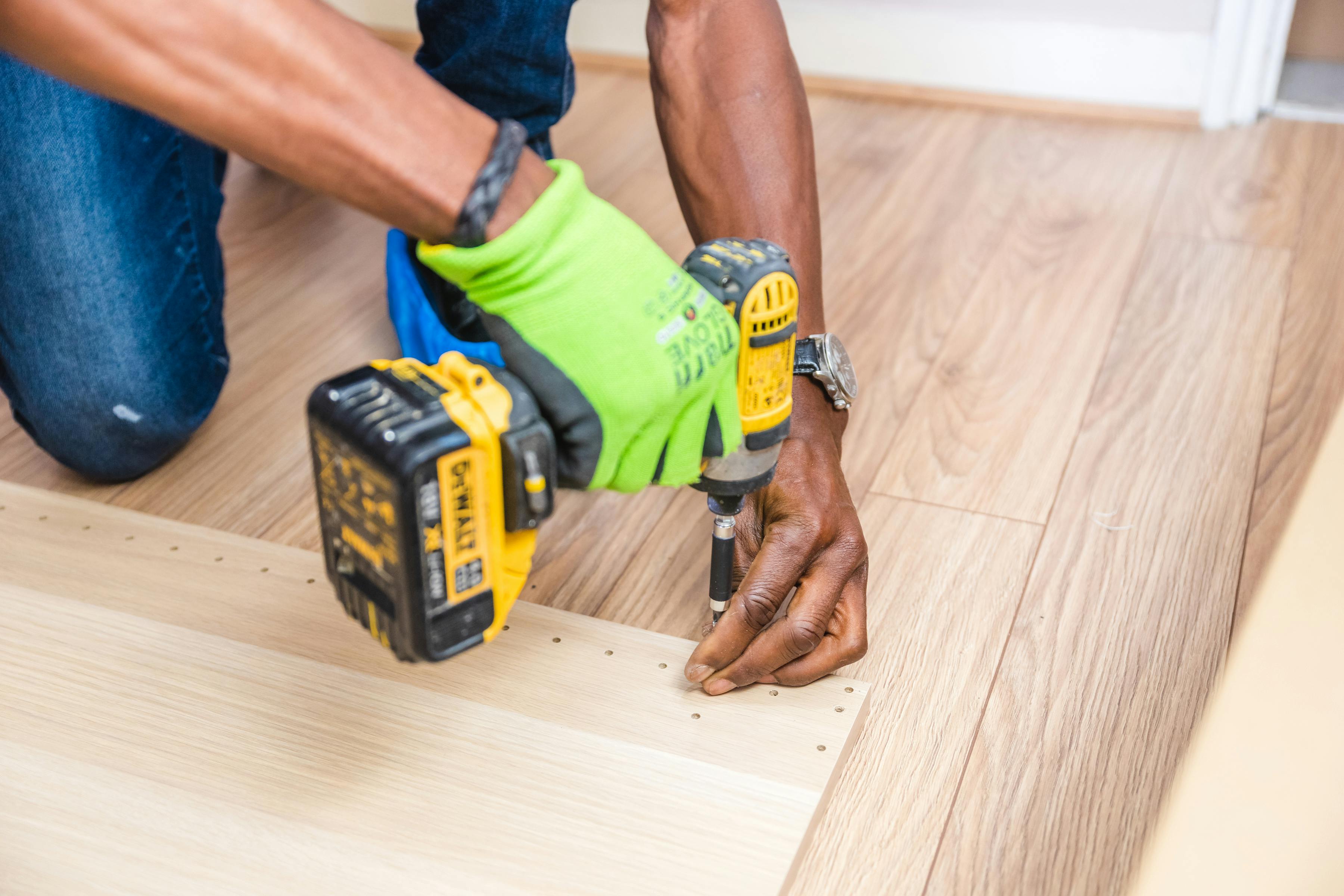
Snap a chalk line to establish a straight first row along the longest wall. Stagger end joints at least six inches for structural integrity and aesthetic authenticity. Use a tapping block—never a hammer directly—to snug planks together without damaging tongue edges.
Reinstall baseboards, shooting 18‑gauge nails at studs. Apply silicone‑free vinyl floor polish for added scratch resistance. Routine cleaning requires only microfiber mops and ph‑neutral detergents—no wax or steam needed.
Materials for a 300‑square‑foot room run about $650. A seasoned DIYer can complete the project in two days, earning sweat equity equal to $1,200 in contractor fees.


%20(1)%20(1).jpg)