Household air can harbor more pollutants than city streets: volatile organic compounds from paint, synthetic fragrances from cleaners, and microplastics from upholstery fibers. Detoxing your space doesn’t demand a live‑off‑grid lifestyle—just strategic swaps and simple science.
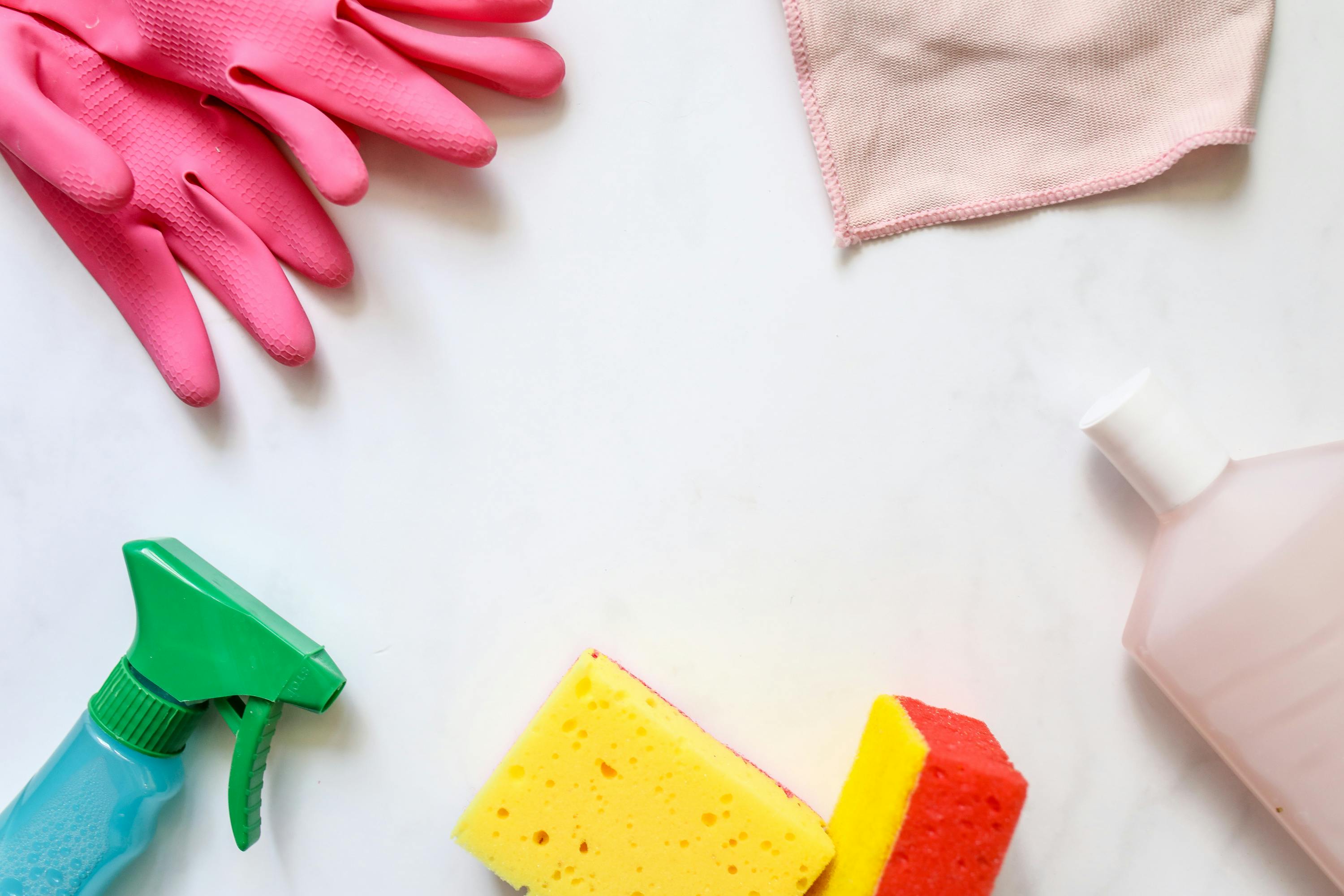
A universal surface spray arises from equal parts distilled water and white vinegar, with a teaspoon of castile soap for degreasing. Add ten drops of lemon essential oil—not for scent alone, but for its antibacterial limonene. Store in amber glass bottles to prevent UV degradation.
Regular vacuuming with HEPA‑filter machines removes particulates before they recirculate. Launder curtains quarterly and swap synthetic‑fiber rugs for washable cotton or wool; natural fibers shed fewer microplastics.
NASA studies confirm plants like snake plant and pothos absorb benzene and formaldehyde. Cluster three to four medium‑size pots per 100 square feet for measurable improvement. Supplement with an activated‑carbon purifier if allergies persist.
When repainting, choose zero‑VOC formulas and allow ample curing before re‑occupying rooms. For furniture, seal reclaimed wood with water‑based polyurethane free of isocyanates.
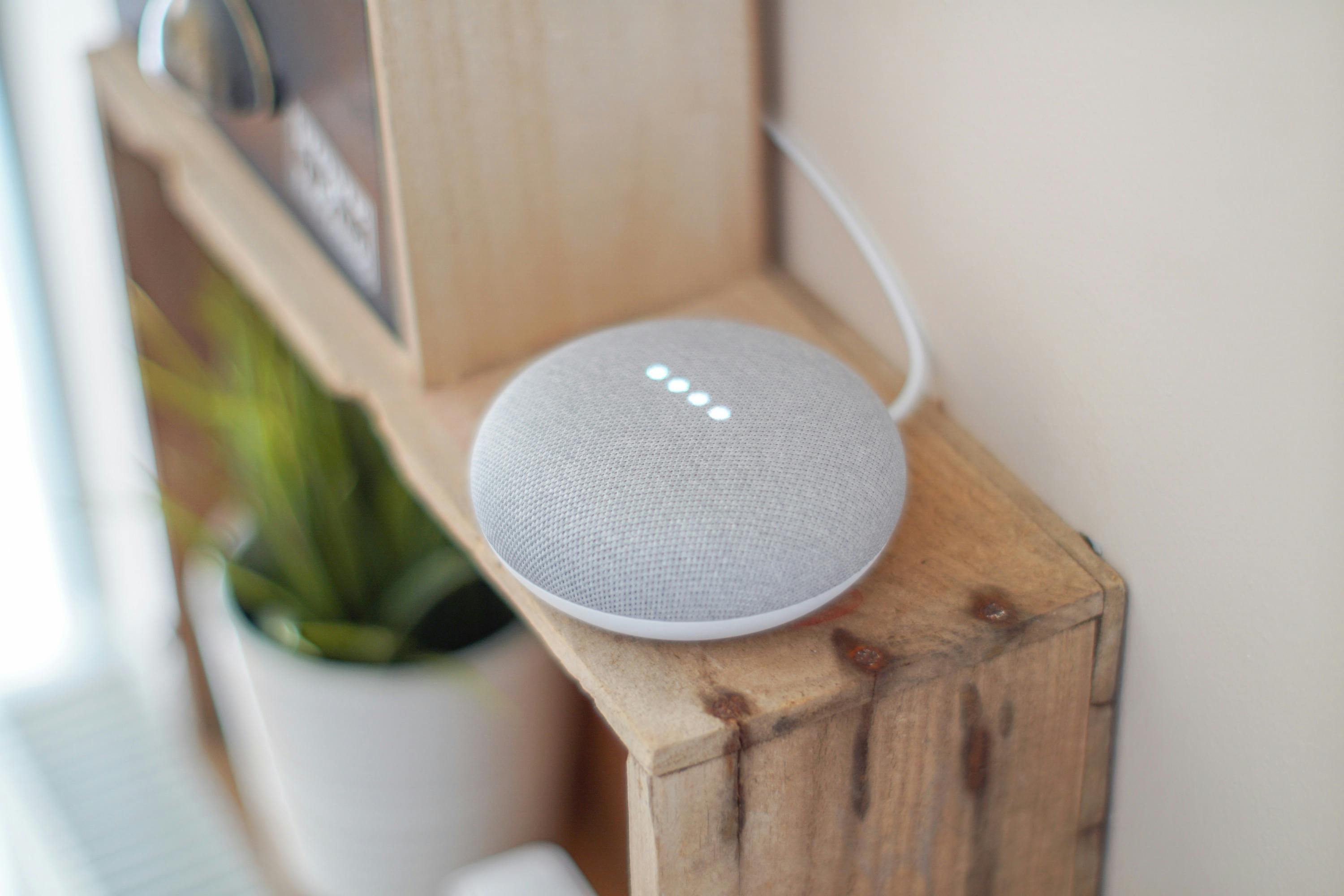
Portable air‑quality monitors track PM2.5, CO₂, and VOCs in real time. Users often witness a 35 percent drop in volatile compounds within two weeks of adopting non‑toxic cleaners, affirming that wellness upgrades can be empirically verified.
A sustainable home detox aligns personal health with planetary health. By removing invisible irritants and choosing products that biodegrade, you craft an ecosystem that nurtures both inhabitants and the world beyond your door.


%20(1)%20(1).jpg)