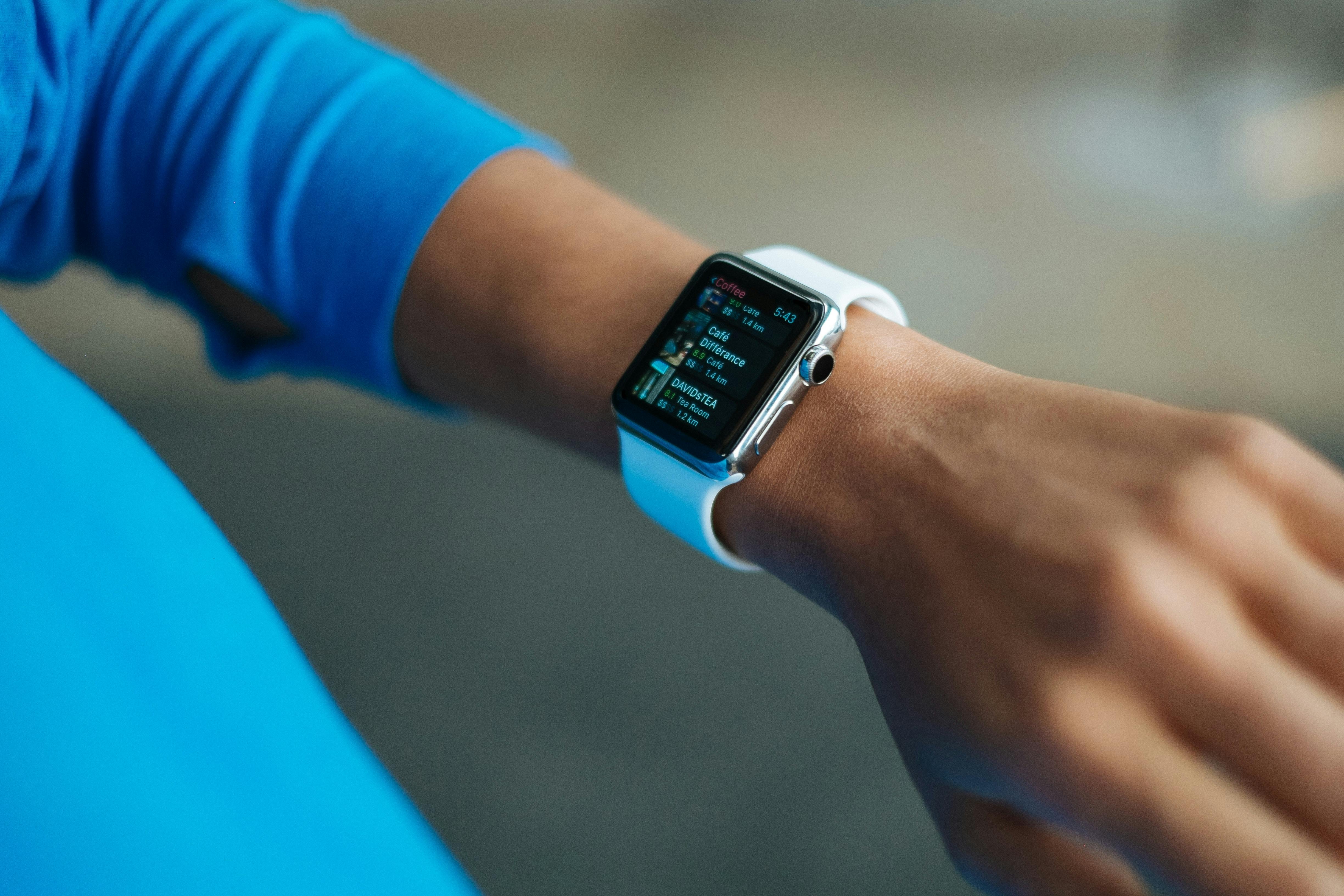
When the first fitness bands hit shelves a decade ago, step‑counting was the killer feature. Today’s wearables monitor heart‑rate variability, blood‑oxygen saturation, skin temperature, and even electrodermal stress markers. They promise to decode the body’s whispers, but skeptics ask whether the data translate into meaningful action or simply feed obsession.
Accuracy varies by metric. Optical heart‑rate sensors perform admirably during rest but falter under rapid movement because sweat scatters light. Electrocardiogram patches remain the clinical standard, yet Apple and Samsung’s FDA‑cleared ECG apps offer arrhythmia detection that flags atrial fibrillation with ninety‑eight percent sensitivity. Meanwhile, consumer SpO2 readings can drift five points off lab‑grade pulse oximeters, muddling altitude acclimation plans.
Perhaps the most misunderstood metric is heart‑rate variability (HRV). A low morning HRV does not automatically mandate a rest day; context matters. Alcohol, poor sleep, and mental stress all depress HRV. Integrating subjective readiness scores—simple questions about fatigue and mood—elevates the metric from curiosity to actionable guide. Companies like WHOOP and Oura have embraced this hybrid model, blending biometrics with self‑reported inputs in daily recovery scores.
Data overload breeds anxiety. Psychologists call it orthosomnia: an obsessive pursuit of perfect sleep metrics that ironically worsens slumber. The antidote is focus. Pick one metric that aligns with a concrete goal—say average nightly sleep duration—and ignore the rest until mastery. Wearables should augment intuition, not replace it.
Privacy again looms large. Heart data can infer stress levels, potentially impacting insurance premiums if misused. The American Medical Association urges consumers to favor devices offering on‑device encryption and transparent data export controls. Always read the fine print: some budget trackers monetize through anonymized data sales rather than hardware margins.
Wearables shine brightest when they close the feedback loop swiftly. A vibration cue nudging you to stand after an hour of sitting nudges posture before pain sets in. Sleep‑stage detection that adjusts a smart alarm within a fifteen‑minute window yields a gentler wake‑up aligned with lighter REM phases, reducing grogginess. Those micro‑interventions compound, turning raw numbers into habits.


%20(1)%20(1).jpg)